Has your feline friend become a shadow lately, following you around the house and demanding cuddles? 😺 If you’re wondering “Why is my cat so attached to me lately?”, you’re not alone. This sudden clinginess can leave many cat owners puzzled and curious about their cat’s behavior.
There are various reasons why your cat might be more attached to you recently. Factors like loneliness, stress, and even health issues could be prompting your cat to seek comfort near you. In this article, we’ll delve into some possible explanations for your cat’s sudden affection, reassuring you and your furry companion.
As we guide you through deciphering your cat’s clingy behavior, we hope to give you valuable insights and help strengthen the bond between you and your cherished pet. 🐾 So let’s jump in and explore the purr-spective of your loving cat!
Why Do Cats Get Attached?
Greetings, cat lovers! 😺 Let’s dive right into why your feline friend might suddenly be more attached to you than ever before.
Sometimes, our furry companions become the epitome of clinginess. But don’t worry, we’ve got you covered in understanding this cat-tastic affection shift. So, buckle up and get ready to explore your cat’s emotional roller coaster!
Loneliness is a major factor in cat behavior. 🐾 When they crave companionship, cats are more likely to stick close and seek your loving attention. Your cat may sense YOUR emotional needs and mirror your feelings. So, if you’ve been feeling down lately, guess who’ll be there to cheer you up? Your feline friend!
Being a little overprotective isn’t out of the ordinary for our whiskered pals. In cases like pregnant cats, their clingy behavior means they trust only you to safeguard them during this vulnerable time. So wear that kitty love badge with pride!
Here’s a quick list of possible reasons, but remember—each cat is different!
- Loneliness 😿
- Fear and anxiety 😰
- NEED for warmth 🔥
Cats are mysterious creatures, and their affection can be influenced by various factors. Keep an eye on their behavior, and make sure to address any concerns promptly. Remember, communication is key—whether in human or meow form! 🗣️🐱
The Effect of Age on Cat’s Attachment
The ‘Clingy’ Older Cats 🐱
Older cats can become more attached to you as they age. This is due to decreased vision and hearing👂👁️, making them more dependent on your presence for comfort and security. Feline affection💕, especially in older cats, can increase😺 as they naturally crave more of your attention.
Dealing With Independent Kittens 🐾
On the contrary, kittens can be quite independent and playful, exploring their surroundings🌍 with enthusiasm. However, YOUR involvement in their healthcare, regular feeding, and playtime⚽ can strengthen the bond. Stay patient😌, because their affection💕 may grow as they mature.
Remember, YOUR cat’s age plays a role in their attachment, so adapt to their needs to maintain a happy, healthy bond😊.
Understand the Sudden Attachment
Cuddling for Comfort
Cats can become suddenly attached to you for various reasons. One common reason is that they’re seeking comfort. If your cat has experienced a traumatic event, they might feel scared and anxious. 😿 By cuddling up to you, they find security in your presence. So, don’t be surprised if your usually aloof feline suddenly craves your company. 🐾
Medical Condition Alert
Another possible explanation for your cat’s sudden attachment is a medical condition. Cats are experts at hiding their pain or signs of illness. However, when they don’t feel well, they might cling to you for reassurance or to tell you that something is off.
In these cases, monitor your cat’s behaviors and physical condition closely. If you notice any changes, such as weight loss, lethargy, or changes in appetite, consult your veterinarian. 💼
Being aware of your cat’s sudden attachment can help you understand their needs and emotions better. Whether it’s cuddling for comfort or due to a potential medical condition, providing them with love, care, and timely attention will ensure that your bond only grows stronger. 💕
Joy and Anxiety: Two Sides of the Same Coin
🐱 You might have noticed your cat being more attached to you recently. Don’t worry! This can be due to various reasons; some pleasant, some not so much. Let’s dive into why your furry friend has been extra clingy. 😺
Stress and Attachment
When your cat is experiencing anxiety or stress, they may seek comfort in you. Just like us humans, cats need reassurance during those stressful times. So if you find your cat following you around, it’s their way of saying, “I need you!” 💙
Have there been any changes in your home lately? New guests, loud noises, or even changing their food might make your cat feel insecure. Your presence is their ☁️ safe haven.
Separation Anxiety and Cats
Cats can indeed suffer from separation anxiety. 🚨 They get lonely, too! Your adorable feline might be following you around because they fear being left alone. If you’ve been gone for long periods recently, your cat is probably trying to make up for the lost time and seeking your attention. 🐾
A study suggests that cats with separation anxiety may have genetic risks, or certain personalities that predispose them to this condition. Keep an eye on them for signs such as destructiveness, excessive vocalization, or aggression.
👉 To help your cat cope with their stress or separation anxiety, consider spending quality time with them. You can also try creating a more comforting environment with their favorite toys and cozy spots. Remember, our pets need love and support just like we do!
Emotional and Physical Needs of Your Cat
Cats are mysterious and adorable creatures! 🐱 They can sometimes surprise you with sudden changes in behavior. Let’s dive into the emotional and physical needs of your feline friend when they become more attached to you.
Let’s Get Emotional
Your cat has emotional needs just like you! They crave attention, love, and companionship. 🧡 When your cat starts cuddling with you more often or following you around the house, it’s a sign they’re seeking comfort. Trust me, they’re cat lovers too, and they know how to make you feel special in their own unique ways.
Cats may become more attached to their humans due to changes in routine or environment, leading to increased stress or anxiety. In these situations, your cat finds solace in your presence, looking to you for reassurance and emotional support. So, give them some extra love!💕
From Warmth to Grooming
Did you know cats enjoy warmth? When your cat sleeps close to you, they’re seeking the coziness they need. 🔥 Cats love to cuddle up to a warm body, and YOU are the perfect source of heat! Especially in colder months, your fluffy friend needs to maintain their body temperature to stay healthy.
The act of grooming is another reason why your cat may be more attached to you lately. Grooming is an essential part of feline communication, and your cat might lick you as a sign of affection. Plus, it’s an opportunity to bond with you! I mean, who wouldn’t enjoy some pampering every now and then?
In conclusion, your cat’s newfound attachment is not just adorable but also a sign of their emotional and physical needs. So, embrace your cat’s love, enjoy the cuddles, and keep providing them with the warmth and attention they crave.
Toys and More: Mental Enrichment
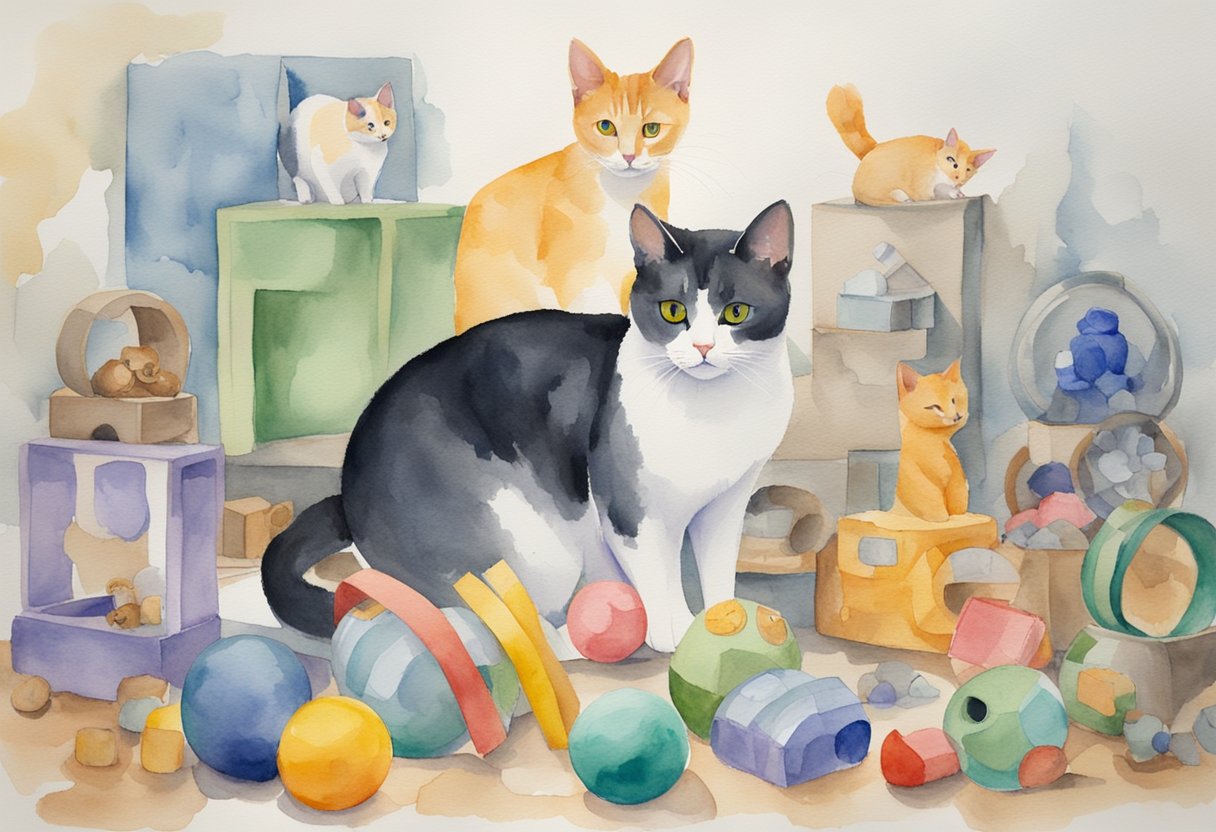
Mental enrichment is no joke 🃏 for your feline friend. It’s crucial for their overall happiness and well-being, just like their physical health. Have you ever wondered why your cat is suddenly glued to you? Cat toys and mental enrichment can play a key-role in addressing this issue.
So, what exactly can you offer your cat? 🤔 Cat toys come in various shapes and sizes. Start with the basics like interactive toys that challenge and entertain your cat. Think puzzles, treat dispensers, and dangly toys 🧩🍖🪀. You’ll keep your cat’s brain engaged and their bond with you 𝒔𝒕𝒓𝒐𝒏𝒈𝒆𝒓.
Here are some fantastic toy options:
- Feather wands
- Laser pointers
- Catnip-filled toys
- Puzzle feeders
- Scratching posts
Don’t forget to switch it up periodically! 😺 Remember, variety is the spice of your cat’s life, too. Introduce new playthings from time to time to maintain their interest and keep them mentally active.
In the end, your cat’s mental enrichment not only enhances their overall happiness but also helps address any 𝐚𝐭𝐭𝐚𝐜𝐡𝐦𝐞𝐧𝐭 𝐢𝐬𝐬𝐮𝐞𝐬. It may even give you some much-needed personal space!
Signs of the Pregnant or Jealous Cat
Are you noticing your cat acting extra clingy 😸 these days? There are a few possible reasons, including your cat being pregnant or jealous. Let’s have a look at some common indicators!
Pregnant Cat
If your cat is female and hasn’t been spayed, there’s a chance she could be pregnant. Signs of a pregnant cat include:
- Enlarged and pink nipples
- Weight gain around her belly
- Seeking a quiet, private spot to give birth
Your cat may also become more affectionate as she gets closer to her delivery date, which could explain her sudden attachment to you.
Jealous Cat
Cats can also feel jealous, especially when their routine or environment changes. They may act anxiously due to:
- A new family member (baby or pet)
- Changes in your daily routine
- Disruptions in their feeding schedule
You can help reduce your cat’s jealousy by giving them a safe space and engaging in playtime before leaving home.
Now that you know the signs, it’s time to give your feline friend the attention and care they need in their pregnant or jealous state. Keep an eye on their behavior, and don’t hesitate to consult a vet if you have concerns. You got this! 🐾
How a Shift in Routine Affects Your Cat
Cats love routines! 😺 They adore predictability, which helps keep their stress levels low. But what happens when their beloved routine gets disrupted? Let’s dive in and explore how a change in routine could affect your cat.
Significant changes in a cat’s environment can throw off their routine and lead to increased anxiety. For example, if you start working from home due to current circumstances, your cat might feel uneasy because their world has been shaken. Your constant presence can both delight and distress them. 😼
As their human hero, it’s YOUR job to ease their stress and help them adapt to changes. Here are some tips:
- Maintain meal times 🍽️ and playtime sessions 🎾 CONSISTENTLY.
- Create a safe space for your cat to retreat to when they feel overwhelmed.
- Gradually introduce your cat to the new schedule by slowly changing their environment.
Remember, your cat’s happiness is KEY. So, when life throws curveballs, make sure your feline friend feels secure, loved, and right at home. 🥰
